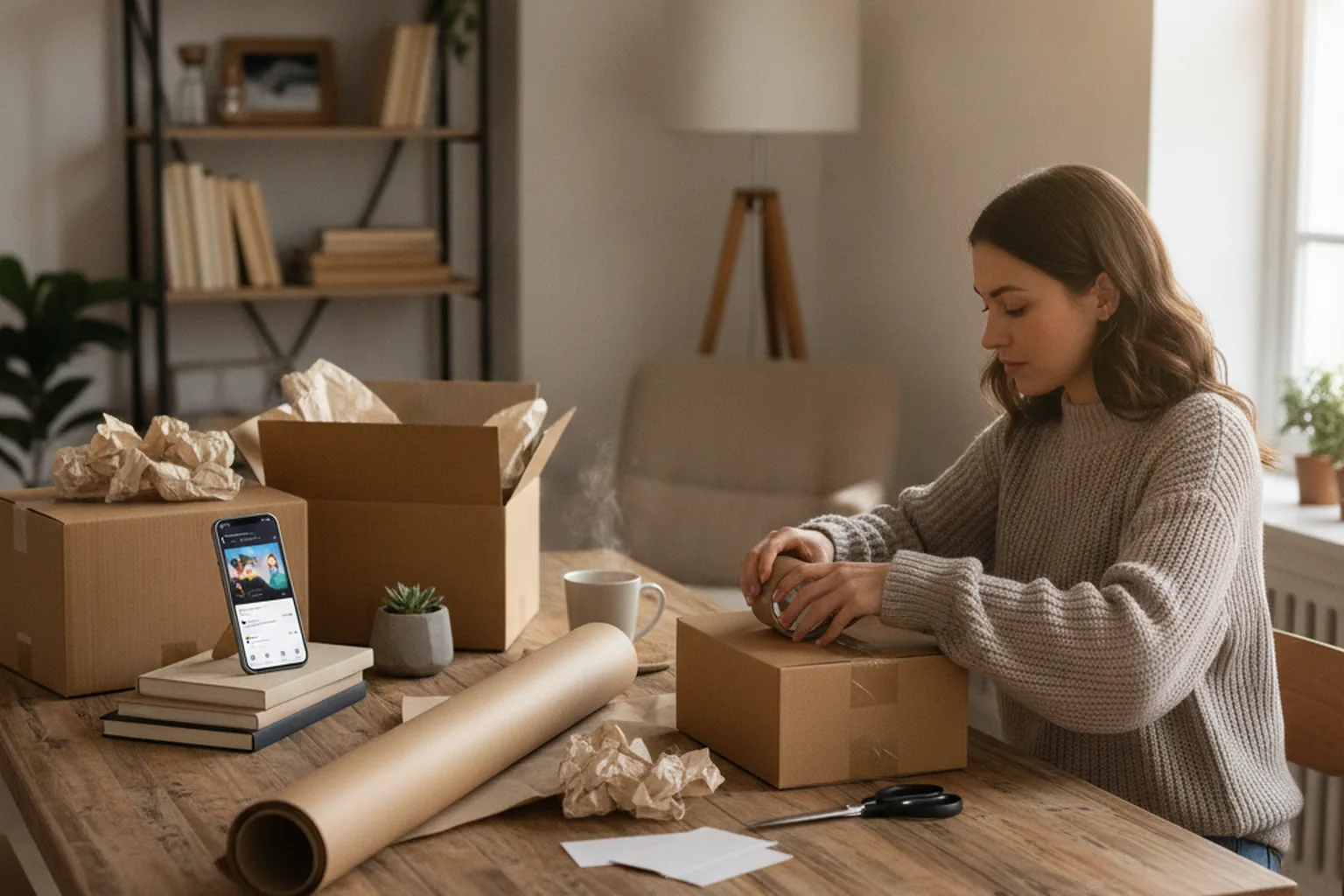
Shopify's New Batch Fulfillment Tools: What Changed
On 16 October 2026, Shopify shipped batch fulfillment and a "scan to verify" step that lets merchants pick, pack and label up to 250 orders in one pass instead of one order at a time. If you are shipping orders from a spare room most evenings, here is what actually changed and whether it is worth switching on.
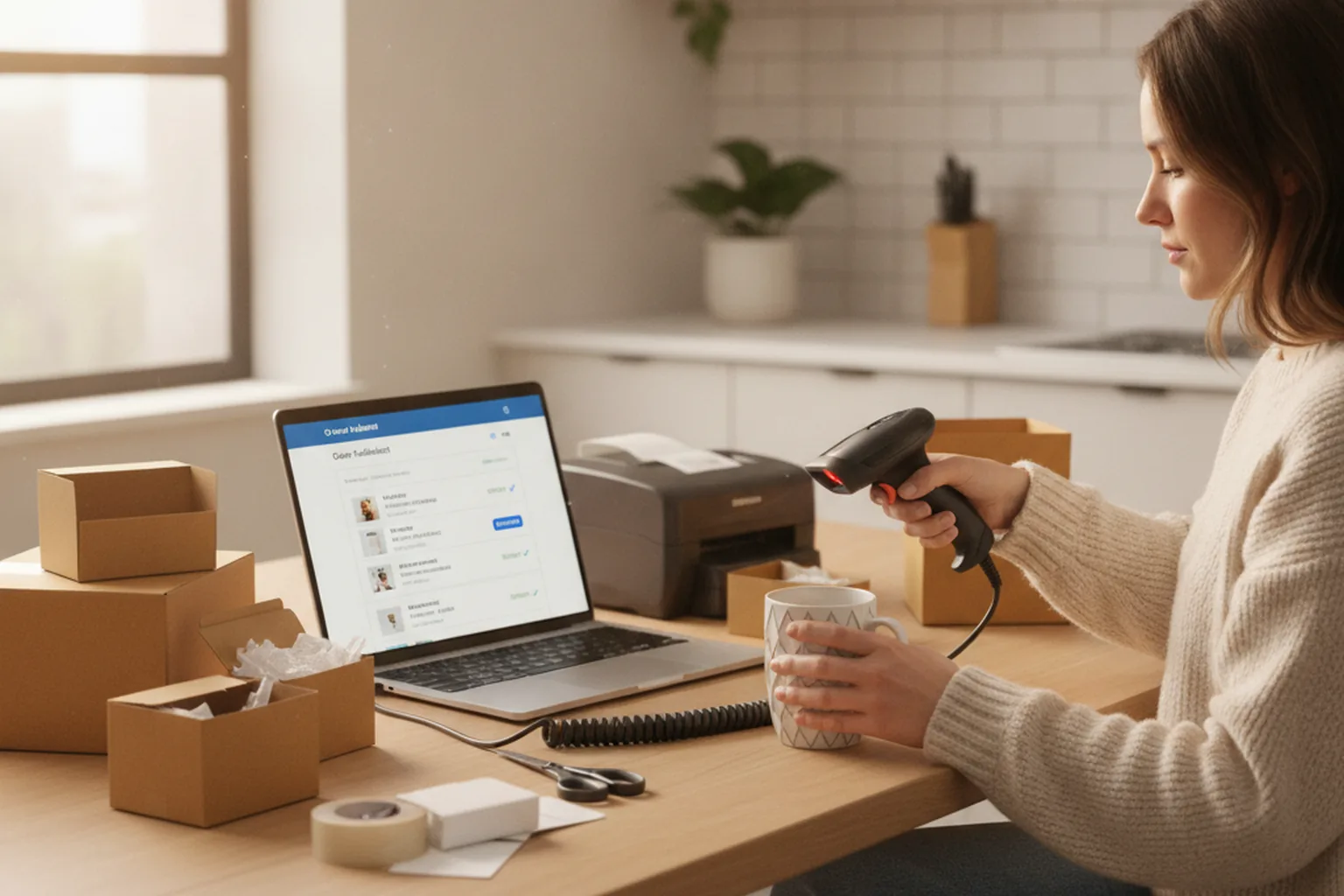
Shopify's fulfillment team pushed out a set of changes this month aimed squarely at merchants who still pack every order by hand, including batch fulfillment and a barcode-based "scan to verify" check, built directly into every plan at no extra cost. Neither feature needs an app install or a developer, but they do assume you have a barcode scanner and products that are actually barcoded, which is where some home-based shops hit a wall. (If your current store setup cannot talk to a scanner, or your inventory lives in three different spreadsheets instead of one system, that gap is usually closed by a team that builds custom inventory and fulfillment integrations rather than another Shopify setting. Most sellers starting out will not need that yet.)
What Batch Fulfillment Actually Does
Instead of opening order one, picking it, labelling it, then repeating for order two, batch fulfillment lets you group up to 250 unfulfilled orders together and work through them as a single pass. Shopify generates one combined pick list for the whole batch, so you walk your shelves once instead of twenty times, and every shipping label in the batch gets bought and printed together at the end rather than one at a time.
Who This Actually Helps
- Sellers packing more than a handful of orders in one sitting, where re-opening each order individually is the slow part, not the packing itself.
- Shops with a merchant-managed location where Shopify's own label buying is already switched on, third-party fulfillment locations do not qualify yet.
- Anyone currently printing labels order by order and manually matching them to boxes afterwards, that whole step disappears.
Scan to Verify: Catching Mix-Ups Before They Ship
The second piece sits inside the batch workflow. As you pick each item off the shelf, you scan its barcode, Shopify checks it against the order and plays a tone and shows a green check if it matches, or an error tone and a red icon if it does not or you have scanned it too many times. You then scan again at the packing stage, so a wrong item has to slip past two separate checks rather than one tired glance at a packing slip.
For a one-person operation, this is the quieter win. It is not really about speed, it is about not shipping the wrong candle scent or the wrong size to a customer at 9pm after three hours of packing, and then absorbing a return or a bad review for a mistake that a scanner would have caught in a second.
The Honest Caveats
A few things worth knowing before you try to set this up tonight:
- You need a barcode on every product and a Shopify-compatible handheld scanner, without one you are limited to adjusting quantities manually in the admin, which defeats most of the point.
- Eligibility depends on having a merchant-managed location with Shopify label buying enabled, check your settings before assuming it is live on your account.
- The 250-order batch limit is a ceiling, not a target. Shopify's own guidance is to start with five similar, in-stock orders first, prove the workflow does not introduce new mistakes, then scale up from there.
- Scan to verify checks that the barcode matches, it does not check that a personalised name or custom note on a product is correct, so keep a manual check for anything you customise by hand.
What To Do About It Now
If you are already shipping a dozen or more orders in an evening and do not have barcodes set up, that is the actual prerequisite here, not the Shopify setting itself. Printing barcode labels for your product catalogue is a one-time job that pays off every single packing session after. If you are shipping five orders a week by hand, there is no rush, batching five orders together saves you very little over doing them one by one.
If getting your actual shop's back end working the way it should, inventory, fulfillment, the boring plumbing behind the storefront, still feels like the harder part, that is exactly where we come in. Take a look at how our done-for-you packages and coaching work, and let's get you set up properly.