Shopify Just Made Selling in Europe Easier: Auto-Translate Explained
Shopify quietly rolled out a change that matters a lot more than it sounds: your store can now translate itself into up to eight languages, every week, without you lifting a finger. Here is what it does and whether it is worth switching on.
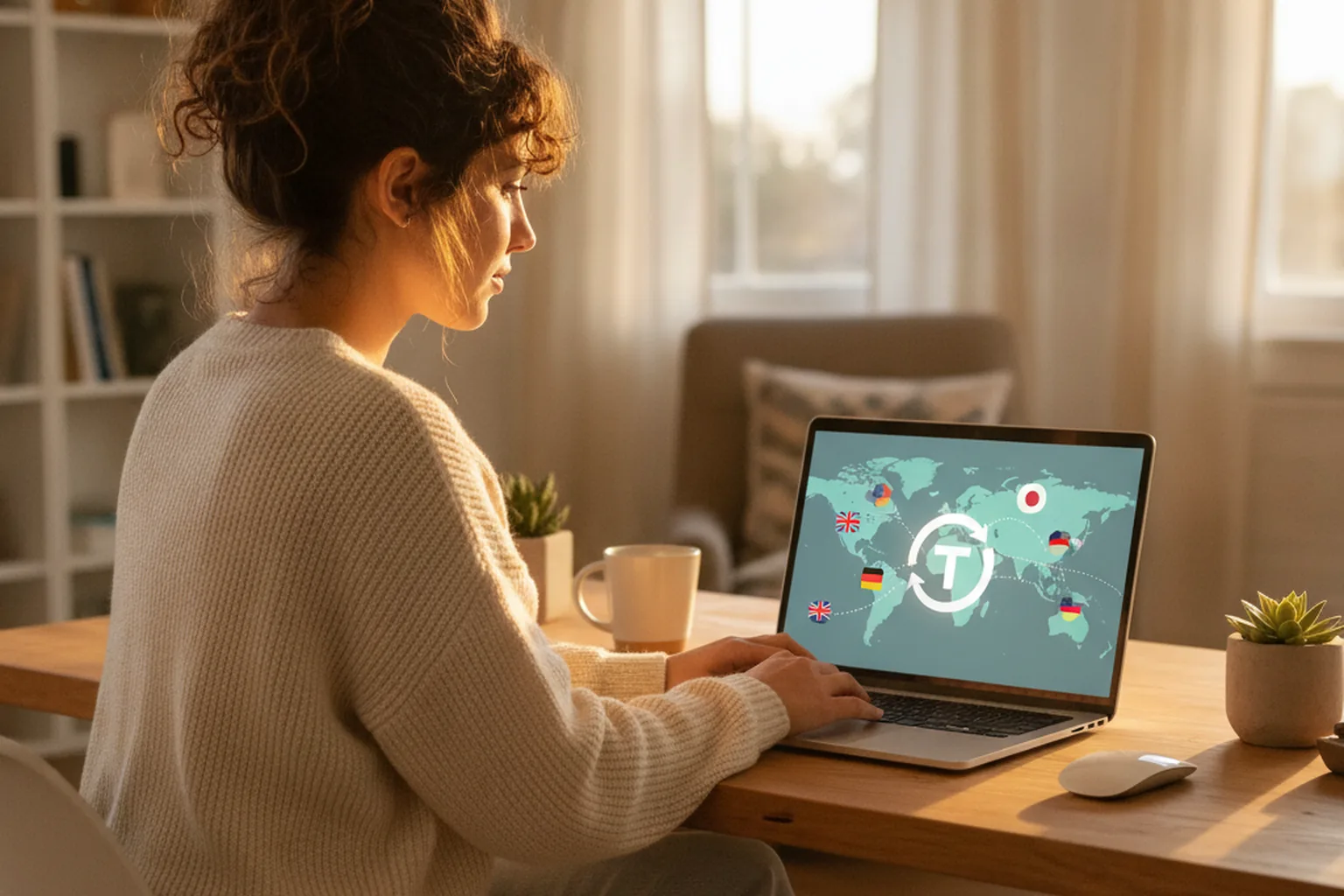
On 9 October 2026, Shopify updated its Translate & Adapt app with a feature called Auto-sync. Turn it on for a language, and Shopify will automatically translate any new or updated content on your store once a week, without you having to open the app and click translate every time you change a product description or add a new item. It also raised the number of languages the app can translate from two up to eight, plus whatever your store's default language already is. If you have ever added a product at 11pm and thought "I'll translate that for my French customers later," this is built to close that exact gap.
What Changed, Specifically
Three things moved at once, and they are worth knowing before you go looking for the toggle:
- Auto-sync. Switched on per language, it runs weekly and updates anything new or edited since the last sync, so a translated store stops drifting out of date.
- More languages. The app can now handle up to eight translated languages per store, a jump from two.
- "Translate now" replaces "Auto-translate." It is the same one-off button, renamed, for when you do not want to wait for the weekly sync.
One detail that matters if you have ever translated anything by hand: Shopify says auto-sync never overwrites a translation you wrote or edited yourself. It only fills in what is missing or refreshes machine translations you have not touched.
Why This Is Worth Your Attention
The update is rolling out first to merchants in Austria, Belgium, Denmark, France, Germany, Ireland, Italy, the Netherlands, Spain, Sweden, Switzerland and the UK, which is a fair chunk of the EU's combined online shopping market. If you have ever hesitated to list in another European country because the thought of maintaining a second or third language felt like a part-time job on top of your actual business, that is the specific friction this removes.
Who This Actually Helps
- Shops already selling into the EU or UK that have been relying on a one-time translation that slowly goes stale as the catalogue changes.
- Anyone who has been putting off expanding to a second market because keeping translations current felt like too much ongoing admin.
- Sellers who update listings often, for new stock, seasonal copy, sale pricing, where a manual translate step is easy to forget.
What It Will Not Do For You
Auto-sync is off by default, so nothing changes on your store until you turn it on, language by language, inside the app. It is also still machine translation under the hood. It is faster and more current, not necessarily more accurate for things like idioms, local tax wording, or anything with legal weight, such as your returns policy or terms of service. For that kind of content, a native-speaker pass is still worth the time, even if the product descriptions themselves are fine left on auto-sync.
It is also still a catalogue and content translator, not a full localisation strategy. Currency display, shipping rules, and payment methods for a new market are separate settings you will still need to set up yourself, or with help, if you are serious about a country rather than just technically visible there. (That kind of multi-market build-out is exactly the sort of thing a web development team at YuSMP handles if your store has outgrown what you can configure solo.)
Should You Turn It On?
If you already have even one translated language running on Shopify, turning on auto-sync for it costs you nothing and saves you a recurring chore. If you have never translated your store because the ongoing upkeep felt like too much, this is the moment that argument gets a lot weaker: open Translate & Adapt, pick a language, flip the toggle, and let it run for a few weeks before you judge it.
If the idea of configuring a second market properly, not just the language but the currency, shipping and everything that makes a French or German customer trust your store, sounds like more than you want to figure out alone, that is exactly where we come in. Take a look at how our done-for-you packages and coaching work, and let us build the international side with you.