MerchantFloor's New AI Agent Builds Shopify Listings in 5 Minutes
On 5 November 2026, MerchantFloor launched a Product Listing Agent that turns one photo and a few notes into a finished Shopify listing: images, description, SEO copy and FAQs included. Here's what it actually saves you, and what it can't do for you.
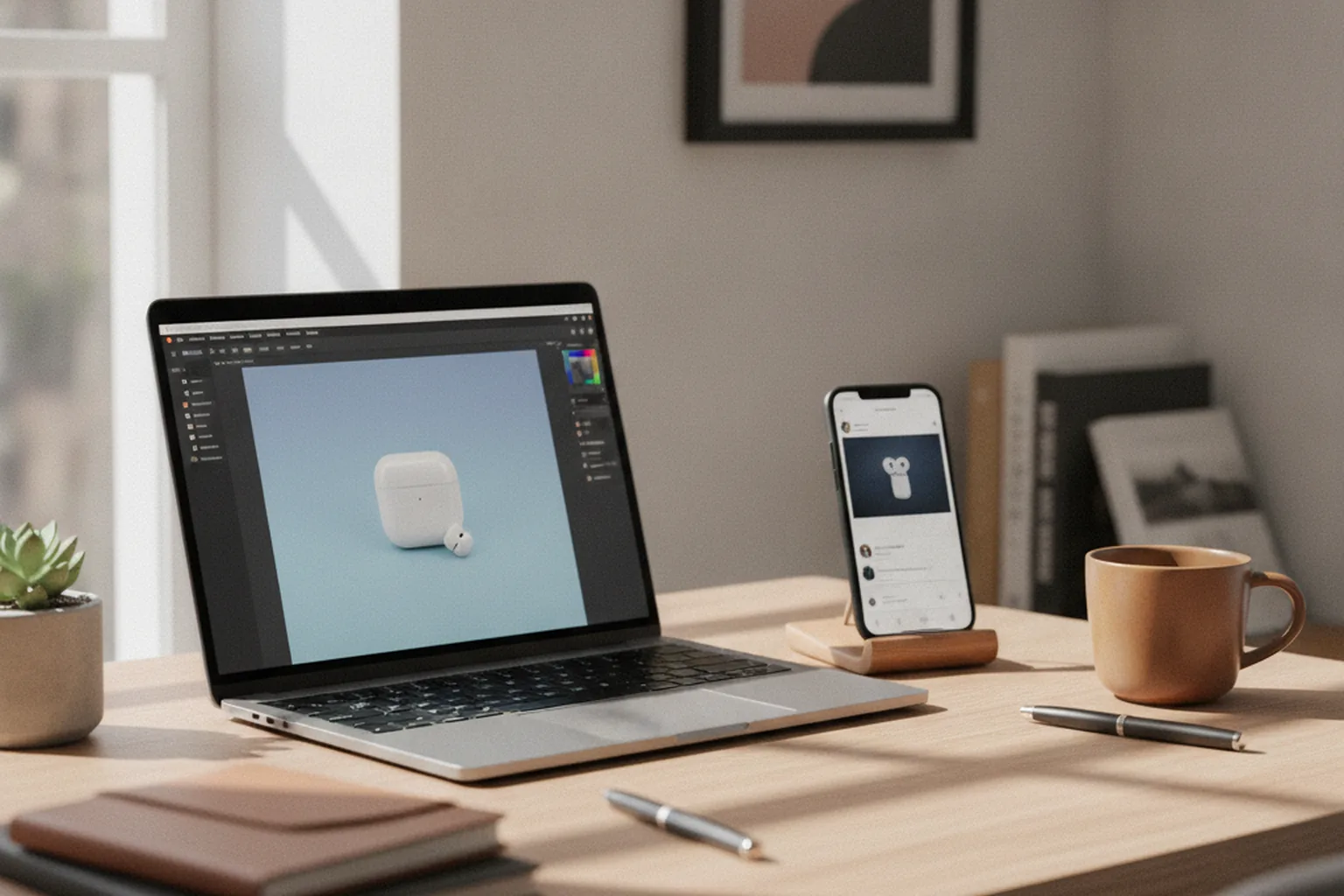
MerchantFloor, an AI tools company built for independent online sellers, announced its Product Listing Agent on 5 November 2026. Feed it a single product photo and a short note about what the item is, and it hands back a finished Shopify listing: a white-background product shot, a lifestyle image, a written description, an SEO title and meta description, a short FAQ block, and image alt text, generated together instead of pieced together from five separate tools. For a one-person store where listing a new product usually means an evening of photo editing, copywriting and guessing at SEO, that's the actual pitch: less time between "I have a product" and "it's live and findable."
Free accounts get 25 credits, enough for five complete listings with a watermark on the free-tier images, and paid credit packs start at roughly $1 per listing. It's a genuinely useful shortcut for the parts of running a store that eat an evening for no real reason, and that's exactly the kind of gap a web development team can help you close on the rest of your site too, the parts a listing tool was never built to touch.
What the Agent Actually Does
The workflow is deliberately narrow: upload a photo, add a sentence or two of context, and the agent returns a complete listing package in under five minutes. It is not a general content writer, it is scoped specifically to the fields a Shopify product page needs: title, description, meta tags, FAQs, alt text, and two styles of product image. That narrowness is probably why it works as well as it does. Tools that try to do everything for a store tend to do each individual thing worse than a tool built for one job.
Where It Genuinely Saves Time
If you've ever sat down to add a new product and found yourself stuck not on the product itself but on what to call it, how to photograph it convincingly, and what three sentences will actually convert a browser into a buyer, this removes that specific bottleneck. For a seller adding products in small, irregular batches around school pickups and nap times, five minutes instead of an evening is a real difference, not a marginal one. The SEO title and meta description fields alone are worth the time saved: most small stores either skip them or write them in thirty rushed seconds, and an AI pass that actually fills them in thoughtfully is a genuine upgrade over nothing.
Where It Still Needs a Human
An AI-generated description reads like a competent first draft, not like you. It won't know that a candle sells because it's the one your toddler insists on smelling every time you light it, or that a product only works for customers in a specific climate, because it has no access to that story, only the photo and the note you gave it. The free-tier watermark on images also means the fastest path is not the cleanest one for a storefront that's trying to look established rather than templated. Treat it as a strong first pass you edit in your own voice, the same way you'd treat a draft from a freelance copywriter, not as the finished listing.
What to Do With This
- Try the free tier on your next few new products before paying for credits, five listings is enough to see whether the output matches your store's tone with light editing.
- Keep your own product photos for anything you want to look premium, the free-tier watermark is a real cost if your brand depends on looking established.
- Use the AI draft as a starting point, not a finished page, add the one detail about the product that only you know, it's usually the sentence that actually sells.
- Remember what this tool can't touch: your storefront's checkout flow, page speed, and how your catalog is actually structured all still live outside any single listing tool, and they're worth getting right once rather than working around forever.
The boring, repetitive parts of running a store keep getting faster. The parts that still need real judgment, your product's story and the storefront it lives on, are where that freed-up time is worth spending instead.